

Investors Flee Wall Street for Chinese AI Amid Bubble Fears
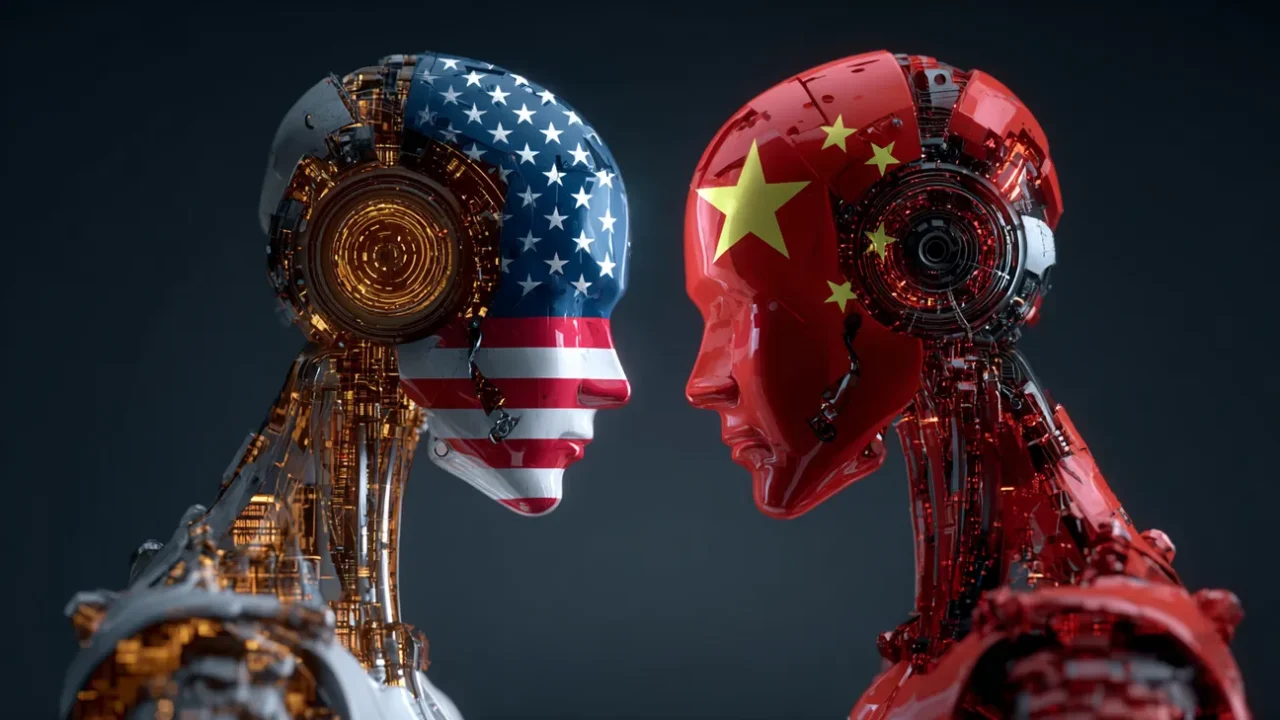
Global capital is increasingly flowing into China’s artificial intelligence sector. For many investors, this is a way to escape a potential Wall Street bubble and gain exposure to a market that still appears undervalued.
Key Takeaways:
- Global investors are shifting capital to Chinese AI companies such as Alibaba, Baidu, and DeepSeek.
- Concerns about a bubble in the US tech market are prompting portfolio diversification.
- Chinese semiconductor companies MetaX and Moore Threads surged by up to 700% after their debut.
- The KWEB fund, tracking the Chinese internet sector, rose by 65% and attracted $9 billion.
Global capital is increasingly flowing into China’s artificial intelligence sector. For many investors, this is a way to escape a potential Wall Street bubble and gain exposure to a market that still appears undervalued.
According to Reuters, particular interest is drawn to giants such as Alibaba or Baidu, as well as rapidly developing startups, including DeepSeek. Beijing is actively supporting the development of its own technologies, and investors expect local companies to benefit from this independence policy.
The difference in valuations is clear — Nasdaq has a P/E ratio of 31, while Hong Kong’s Hang Seng Tech is only 24. Meanwhile, the KraneShares KWEB ETF gained about 65% this year, growing to nearly $9 billion in assets.
Chinese semiconductor companies MetaX and Moore Threads, referred to as “Chinese Nvidias,” surged after their stock market debut — their share prices rose by 700% and 400% respectively. Experts, however, warn that this surge may be driven primarily by speculation, not real financial results.
What Does This Mean for the Yuan and Asian Indices?
The increasing inflow of capital into Chinese AI companies supports risk-on sentiment in the region, which typically favors the appreciation of the yuan and an improvement in sentiment towards emerging market assets. If the trend continues, indices such as Hang Seng Tech or, more broadly, Chinese benchmarks, may benefit from further inflows in the short term, although strong growth in AI companies also increases the risk of a correction at the first deterioration of global sentiment towards technology.