

Turbulent Start to the Year in the Markets: How to Invest Amidst Geopolitics and Central Bank Decisions?
The beginning of the year in financial markets is rarely calm, but this year’s opening has brought investors a unique mix of challenges and opportunities. The intensification of conflicts, uncertainty regarding the interest rate path in the US, and dynamic changes in the commodity market mean that market volatility is reaching levels unseen in many quarters. In such an environment, passivity can be the riskiest strategy. How can one navigate the wealth of information and effectively react to dynamic price changes?
Contemporary global markets are an interconnected system where a political decision on one continent instantly translates into asset valuations on another. We are currently observing an accumulation of risk factors that create an ideal environment for active trading but demand iron discipline and access to the best analytical tools from investors.
Geopolitical Chessboard: From the Arctic to Venezuela
Economic uncertainty is largely driven by geopolitical events that have intensified in recent months. Investors are anxiously observing not only ongoing armed conflicts but also a silent war for resources and influence. The international situation is tense, and new flashpoints are emerging in the least expected places.
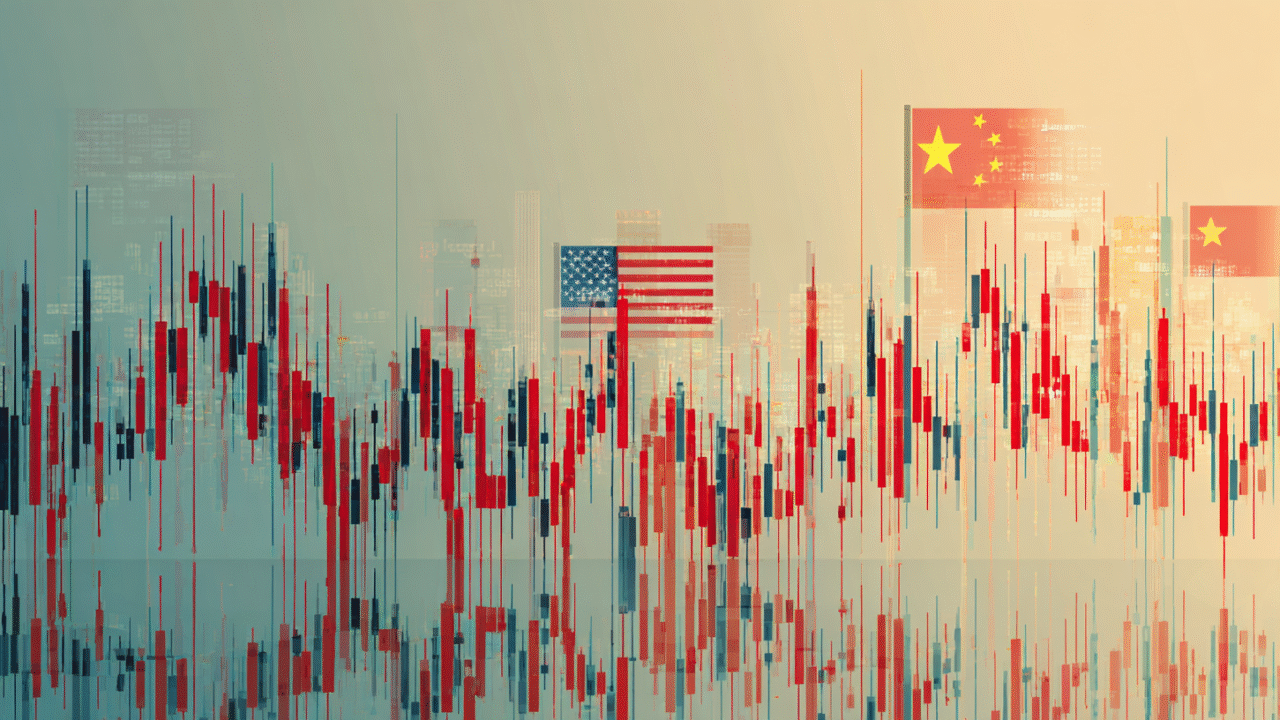
Particular attention should be paid to China–US relations. Tensions between Washington and Beijing now extend far beyond the trade war, encompassing technology and the military sphere, which directly impacts supply chains and investor sentiment in Asia and the US. Simultaneously, rivalry over the Arctic is appearing on the risk map. Melting ice opens new trade routes and access to raw material deposits, making this region a new arena for friction between superpowers. This is a long-term factor that could define the balance of power in energy and logistics in the future.
One cannot overlook South America. US–Venezuela relations are once again in the spotlight. Any changes in sanctions or political destabilization in Caracas directly impact the oil market. The price of “black gold” is extremely sensitive to any news of supply restrictions, and an escalation of conflicts in oil-producing regions almost immediately drives up the prices of Brent and WTI barrels.
Macroeconomic Puzzle: FED Decisions and the Fate of the Dollar
While geopolitics generates sudden price spikes, monetary policy remains the backdrop for all markets. The decisions of the FED (US Federal Reserve) are crucial for every investment portfolio this year. Investors are trying to predict when interest rate cuts will occur, but macroeconomic pressure resulting from persistent inflation in some sectors tempers this optimism.
US interest rates determine the strength of the American currency. We currently see that the dollar comes under pressure when the market starts to price in faster monetary policy easing (a “dovish” FED). A weaker dollar is usually a signal for growth in emerging markets and commodities, but any “hawkish” surprise from central bankers triggers emotions in the stock market and sharp corrections in indices such as the S&P 500 or Nasdaq.
Gold in Record Shine – Safe Haven or Speculation?
In the face of the above risks, precious metals are experiencing a renaissance. The price of gold has repeatedly tested historical highs in recent months. What is driving record gold prices? It’s not just the fear of retail investors. A key factor is the accumulation of gold by central banks, especially those from emerging markets (including China, India, Poland). Global reserve policy is changing – these institutions aim to make their reserves independent of the US dollar, which creates fundamental demand for the metal.
For the individual investor, the question arises: how to react to the rising price of gold? Should one chase a runaway train? It is worth remembering that gold often behaves inversely to the dollar and bond yields. In moments of panic, it is a classic “safe haven,” but in periods of calm, it can undergo corrections. Therefore, portfolio diversification is so important – having exposure to both risky assets (stocks) and defensive ones (commodities, bonds).
In such a dynamic environment, the key to success is not only knowledge but also access to appropriate tools. Reacting to market changes in real-time is impossible without a modern trading platform. This is where the partner of this article, the XTB platform, one of the global leaders in the investment industry, comes to the rescue.
The XTB platform (xStation 5) provides access to thousands of financial instruments from around the world, allowing for the implementation of strategies based on all the scenarios described above.