

Crypto exchanges highlight cold storage reserves after $6.3B Binance hack
Following the massive $6.3 billion Binance security breach, competing digital asset exchanges are publicly detailing their offline reserve ratios. At the same time, US banking regulators have initiated reviews across domestic lenders to gauge systemic exposure.
⚡ Key numbers:
- $6.3 billion – total stolen in last week's Binance security exploit
- >99% – client assets held offline by Coinbase
- 88.26% – proportion of Gate assets stored in cold wallets
- 8 weeks – estimated intruder dwell time inside Binance before the breach
Exchanges compete on cold storage transparency
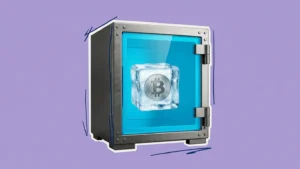
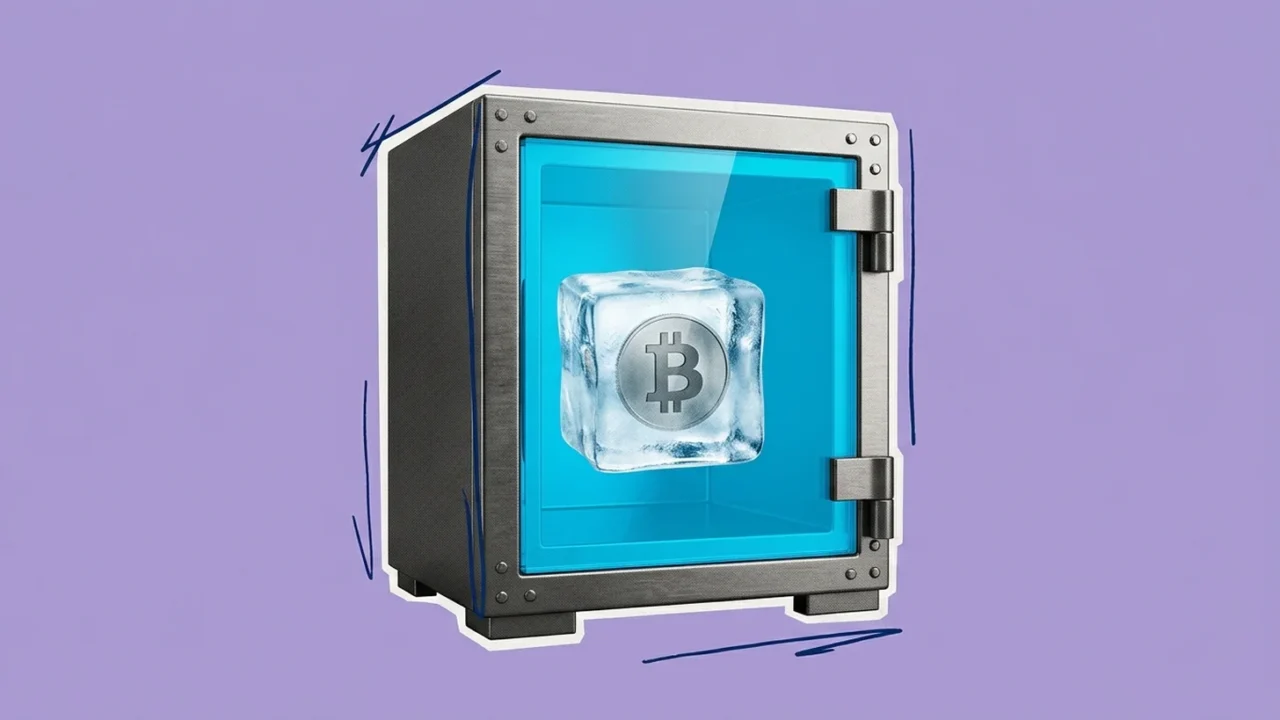
The fallout from last week's historic digital heist has triggered an immediate push for custodial transparency across the sector. In an effort to reassure depositors, Coinbase stated that it maintains over 99% of customer assets in offline cold storage facilities.
Gate reported that 88.26% of its overall assets are secured offline. Chief Executive Officer Lin Han affirmed that the exchange holds sufficient assets in cold storage to cover all customer balances even if its operational hot wallets were drained entirely, adding that an independent audit is currently underway.
The transparency drive follows the disruptions seen when the Binance hack forced the exchange to suspend withdrawals, reminding market participants of the vulnerabilities tied to internet-facing wallet infrastructure.
US banking watchdogs probe systemic crypto risks
The scale of the incident has drawn immediate attention from prudential authorities. The Federal Reserve and the Office of the Comptroller of the Currency contacted US commercial banks following the $6.3 billion heist to evaluate institutional transaction safety and counterparty exposures.
Security analysts and regulators are assessing whether large-scale exchange liquidations or settlement pauses could spill into the domestic banking network. Supervisory inquiries focus on existing controls surrounding payment interfaces and crypto-related operational dependencies.
Intrusion timelines and defensive shutdowns in Asia
According to findings from cybersecurity firm Security Alliance, the hacking squad known as TraderTraitor retained unauthorized access to Binance systems for eight weeks prior to deploying the exploit. The group has been linked to several prominent digital asset heists, following patterns similar to the $388 million Bitget breach.
Defensive measures quickly escalated across Asia. South Korean platform GOPAX suspended all trading, deposits, and automated withdrawals to shift its entire asset base into cold storage, limiting withdrawals to manual verification channels. Meanwhile, India's cybersecurity agency cautioned that threat actors are deploying artificial intelligence tools to target crypto platforms at automated speed.
What to watch next
- Publication of Gate's independent audit results detailing customer reserve backing
- Regulatory feedback or guidance from the Fed and OCC regarding bank-crypto connectivity
- Restoration of standard automated operations at South Korea's GOPAX exchange
Crypto prices can move sharply within hours. If you trade them through CFDs, choose a regulated broker — compare them in our crypto broker ranking.
Frequently asked questions
What proportion of assets do major exchanges hold in cold storage?
Coinbase reports that more than 99% of customer assets are held offline, while Gate reports that 88.26% of its total reserves are stored in cold wallets.
Why are the Fed and OCC checking US banks after the hack?
The Federal Reserve and OCC contacted commercial lenders to evaluate transaction safety and assess whether exposure to crypto exchanges presents counterparty risks following the $6.3 billion theft.
Who carried out the Binance hack and how did they enter?
The attack was conducted by the hacking group TraderTraitor. Cybersecurity firm Security Alliance estimated that the intruders maintained access to Binance's internal infrastructure for eight weeks prior to executing the theft.
Sources: Cointelegraph, CoinDesk.
Disclaimer: This article is for information purposes only and does not constitute investment advice. Data as of Nov 6, 2026, 13:02 may vary by source. Trading leveraged CFDs carries a high risk of losing money.
This article contains AI-generated content.