


Crude oil prices touch 22-week highs after strikes on Gulf facilities
Global energy benchmarks rallied sharply on Friday as drone strikes by Houthi forces on Saudi oil assets coincided with intensified disruptions along the Strait of Hormuz. West Texas Intermediate closed at $103.27 a barrel, while international benchmark Brent touched its strongest levels since April.
⚡ Key numbers:
- $103.27 – WTI closing price on Friday, marking a fresh 22-week peak
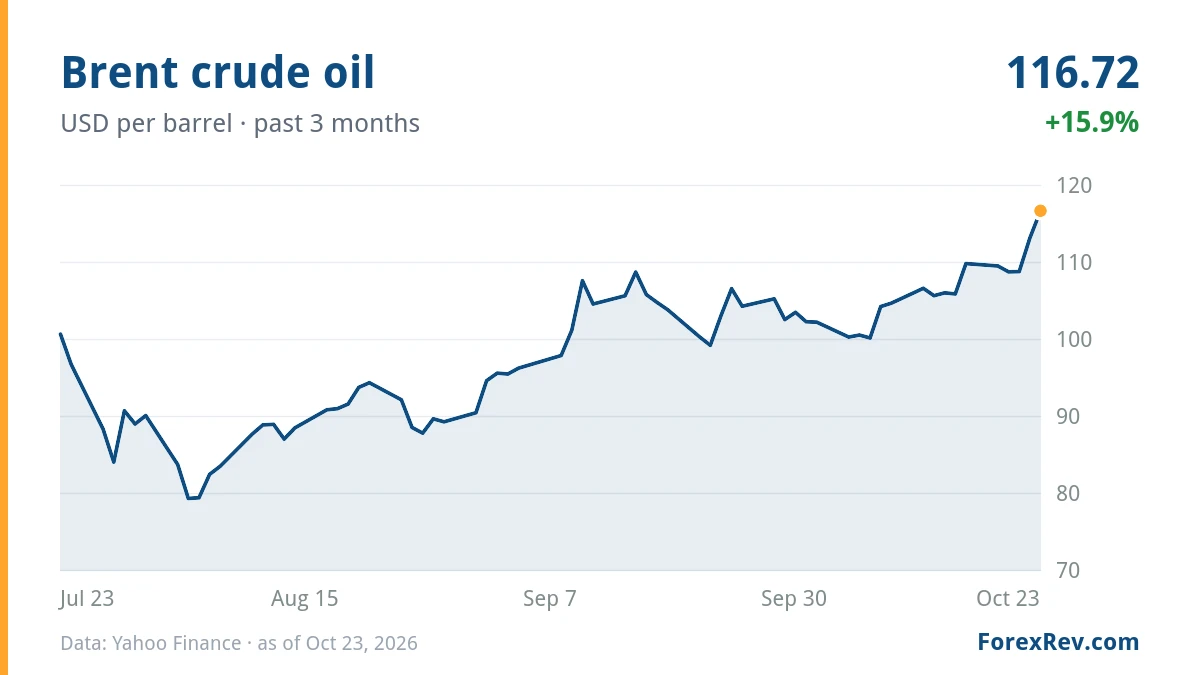
- 116.72 – Brent crude closing price, up 3.1% after touching $117 during intraday trading
- 24 million barrels per day – total Middle East crude flows recorded by Kpler
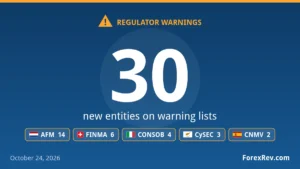
- 30 – merchant ship incidents recorded during the current month alone
Saudi Aramco sites targeted amid maritime blockades
Crude oil prices accelerated their climb following renewed military action targeting critical energy facilities in the Persian Gulf. According to FXStreet, Saudi Aramco evacuated employees from its Dhahran headquarters after falling debris from a drone attack resulted in two fatalities at the remote Shaybah oilfield.
At the same time, risks along the maritime transport route through the Strait of Hormuz escalated significantly. Iran's naval forces stated that several tankers had been struck or encountered sea mines, compounding broader supply jitters as geopolitical tensions keep oil above elevated levels.
Shipping costs skyrocket as export volumes hold
Market focus has intensified on potential military escalations between Washington, Israel, and Tehran following the upcoming US midterm elections. The Guardian reported that Iran warned it could target energy infrastructure, datacentres, and undersea cables throughout the region if hit by a new offensive.
Despite constant hazards, commercial shipments continue to clear the Gulf via alternative paths. Homayoun Falakshahi, head of crude oil analysis at Kpler, told The Wall Street Journal that the profit from reselling a barrel of Iraqi crude is $20 higher than before the war.
“In April the problem was a shortage of oil. In October it is the cost of shipping it”
— Natasha Kaneva, head of global commodities strategy at JPMorgan (via Interia Biznes)
Wall Street retreats as inflation anxieties mount
The abrupt energy rally exerted immediate downward pressure on broader equity markets as investors weighed the likelihood of persistent inflation ahead of the upcoming Federal Reserve policy session. Defensive sectors led losses on Wall Street, pulling the S&P 500 index down 0.52% to 7,624 points.
The US Dollar Index edged up to 101.75 as currency traders reassessed the global interest rate outlook. American Express slid by more than 3% following internal corporate announcements, adding to cautious sentiment across major exchanges.
What to watch next
- Outcomes of the early November US midterm elections regarding military policy in the Middle East
- Kpler's forecast of Iranian crude oil revenues falling to zero by mid-December
- Potential portfolio asset restructuring and divestments by Saudi Aramco valued at up to $50 billion
Frequently asked questions
Why did crude oil prices surge to multi-month highs?
Prices rallied after Houthi drone strikes hit Saudi Arabian facilities and maritime attacks disrupted shipping in the Strait of Hormuz.
What levels did WTI and Brent reach on Friday?
WTI crude settled at $103.27 per barrel to secure a 22-week high, while Brent crude closed at $116.72 after briefly breaching $117.
How did stock markets react to the energy price jump?
Equities retreated on renewed inflation worries, with the S&P 500 dropping 0.52% to finish the session at 7,624 points.
Sources: Bankier.pl, FXStreet, Interia Biznes, The Guardian, Yahoo Finance.
Disclaimer: This article is for information purposes only and does not constitute investment advice. Data as of Oct 24, 2026, 06:20 may vary by source. Trading leveraged CFDs carries a high risk of losing money.
This article contains AI-generated content.