

Oil in Flames! Brent Crosses $105 Following Red Sea Escalation as the US Dollar Rallies
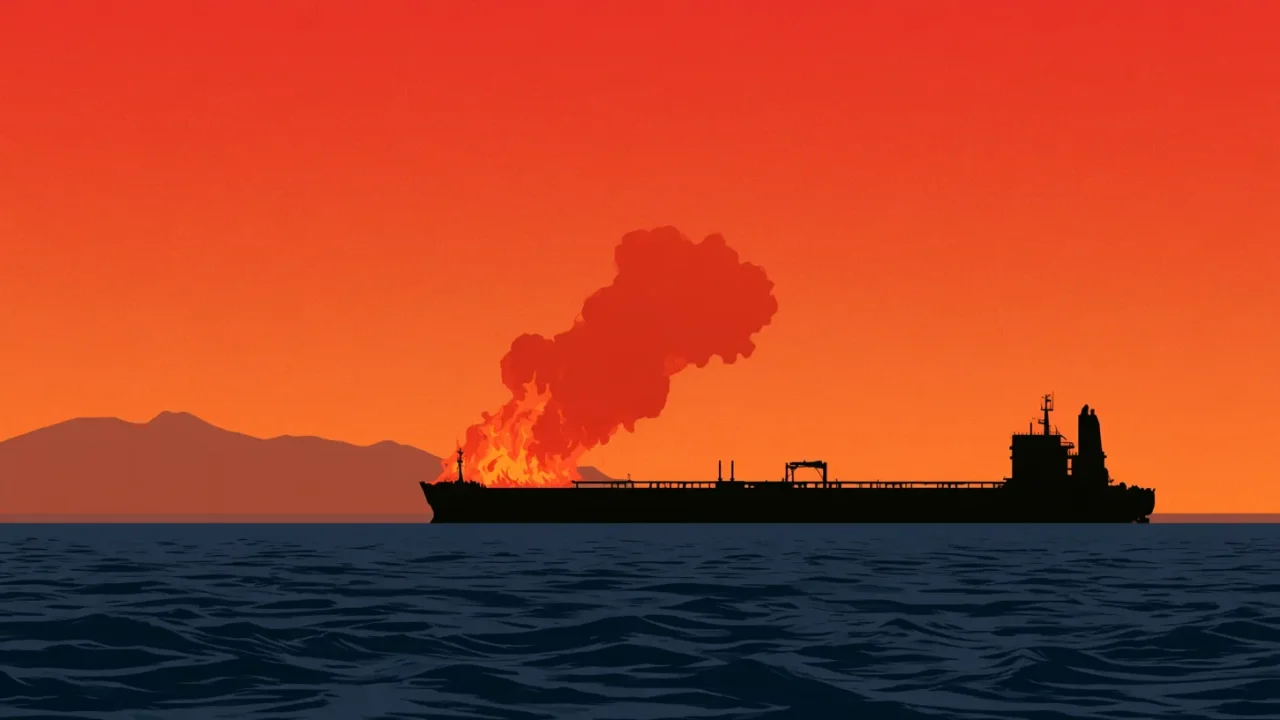
Thursday, September 17, 2026, marks a sharp intensification of the global energy crisis. After breaching the psychological $100 barrier last week, crude oil prices have staged another massive breakout. The catalyst is the opening of a volatile military front in the Red Sea, where Iran-backed Houthi forces have seized control of the strategic Hanish Islands. In response to mounting geopolitical risks, institutional capital is rapidly fleeing into safe-haven assets: the US Dollar is surging across the board, pushing global equities and energy-dependent currencies into steep retreat.
⚡ Market Disruption at a Glance (Sept 17, 2026):
- Brent Crude: The global benchmark surged to $105.36 per barrel, carving out fresh multi-month highs on acute supply concerns.
- WTI Crude: US light crude recorded a near 10% daily jump, decisively breaking above resistance to hit $101.80 per barrel.
- US Dollar Index (DXY): The greenback rallied sharply on dominant Risk-Off flows, drawing heavy liquidity out of emerging market currencies and risk-sensitive assets.
- EUR/USD Under Pressure: The benchmark currency pair is sliding toward the critical 1.1500 support zone as energy import dependency weighs heavily on European macroeconomic projections.
Escalation Near the Bab al-Mandab Strait: What Happened?
Today’s commodity turmoil stems directly from military developments in the Middle East. Houthi operatives launched a coordinated amphibious assault to capture the Hanish Islands archipelago, situated in the southern Red Sea directly north of the Bab al-Mandab Strait. This narrow maritime bottleneck accommodates a critical portion of international crude transit heading toward Europe and the Atlantic basin.
The occupation creates an immediate missile and drone threat envelope covering commercial tankers and naval vessels patrolling the transit corridor. Major maritime shipping conglomerates have already responded by halting Suez Canal transits in favor of the extended route around the Cape of Good Hope. This detour adds 10 to 14 transit days, sending container rates, tanker charter fees, and marine insurance premiums soaring.
The Greenback as a Geopolitical Shield
Foreign exchange markets reacted with textbook precision. Cross-border fund managers have actively cut emerging market exposure, redeploying liquidity directly into US Dollar cash equivalents and short-term Treasuries. The greenback’s yield advantage and sovereign liquidity profile have reinforced its position as the premier global hedge against systemic disruptions.
Conversely, European assets are bearing the brunt of the shock. Persistently elevated crude prices above $105 severely dampen industrial sentiment across the Eurozone, reigniting fears of persistent stagflation. The Swiss Franc (CHF) has emerged alongside the dollar as a key regional beneficiary, strengthening across all European crosses.
Central Bank Dilemma and Near-Term Trading Outlook
This abrupt supply-side energy shock severely complicates the trajectory for global central banks. Following last week’s monetary policy decisions, interest rate futures are aggressively pricing out near-term easing. Surging transportation and feedstock costs threaten to leak directly into upcoming core and headline CPI prints, locking the Federal Reserve and the European Central Bank into prolonged restrictive postures.
For commodity and FX operators, price action will heavily depend on the scope of any potential US-led military response. If allied forces initiate sustained kinetic strikes to dismantle the rebel installations, upside targets on Brent crude toward $110 could quickly enter play, driving further upside momentum for the greenback.
Legal Disclaimer: This publication is strictly analytical and intended for informational and educational purposes only. The statements, data points, and technical levels discussed herein do not constitute investment advice or a financial recommendation. Trading energy commodities, equities, and leveraged derivatives (CFDs/Forex) involves a high degree of capital risk, especially during active geopolitical crises. Market participants trade entirely at their own discretion and risk.